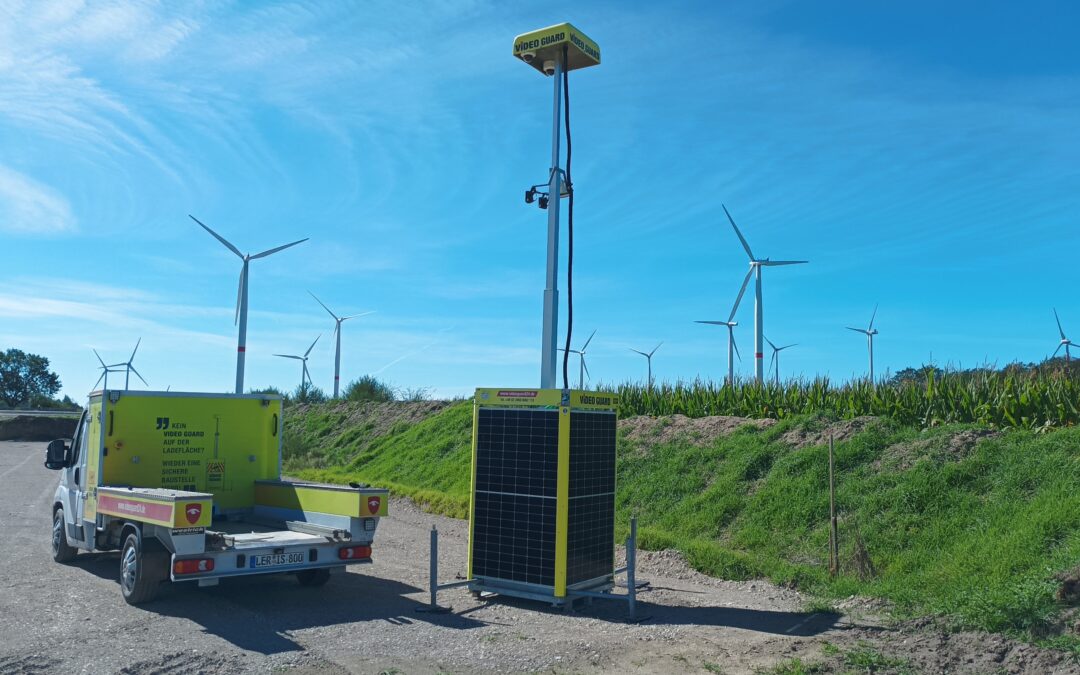
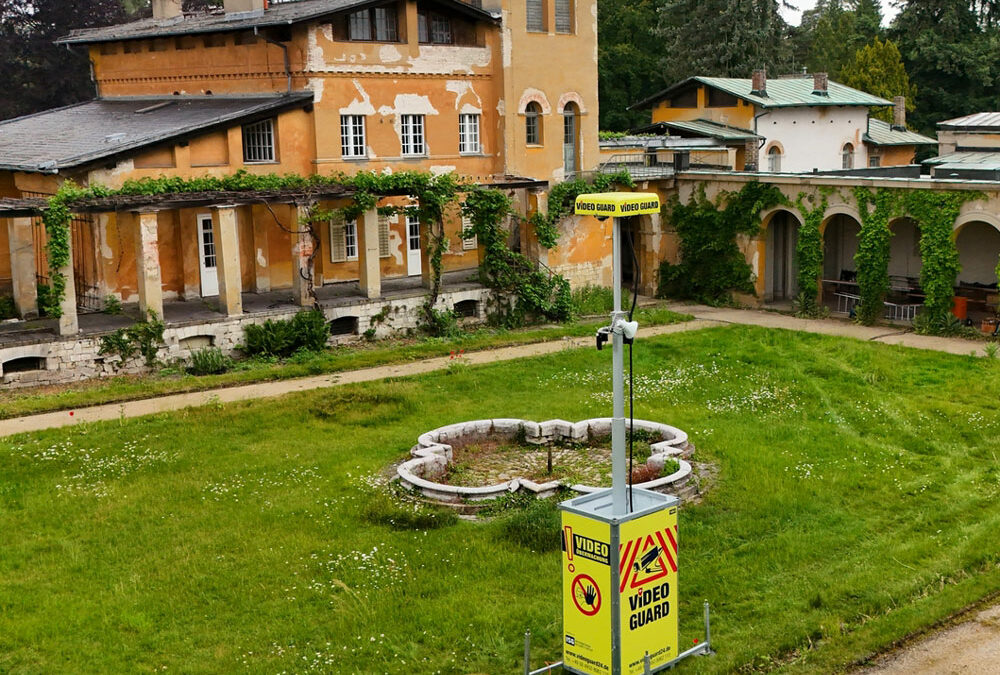
There is a tension between public safety, privacy rights, and the requirements of the General Data Protection Regulation that calls for clear decisions. As a result, municipalities, cities, businesses, and security services face the challenge of implementing video surveillance in public spaces in a way that is both effective and compliant with the law.
In this article, you’ll learn how public spaces are legally defined, what regulations apply to video surveillance in public places, and how mobile surveillance systems help ensure security in public spaces in compliance with the law.
Definition: What is public space?
Public spaces are defined as areas that are freely accessible to everyone without requiring special authorization or access control. These typically include streets, sidewalks, plazas, parks, and generally accessible outdoor areas where pedestrians move about as a matter of course.
From a legal standpoint, the General Data Protection Regulation—supplemented by Section 4 of the German Federal Data Protection Act (BDSG)—refers to “publicly accessible areas.” What matters here is not who owns the land, but whether it is actually open to the public. Thus, even private areas such as forecourts, open customer parking lots, or access paths on commercial properties may be considered public if they are accessible without any barriers.
To clarify: Non-public areas, on the other hand, are clearly protected or controlled—such as fenced-off construction sites, locked-down factory grounds, or courtyards with access control. This means that as soon as an area is permanently open only to a specific group, it is no longer considered public space.
In many situations—particularly at companies, institutions, cities, and municipalities—public and private spaces directly adjoin one another: sidewalks along construction sites, areas in front of administrative buildings, open parking lots, access roads, or event zones.
It is precisely this proximity that makes the issue of video surveillance in public spaces so challenging—because two interests coexist here on an equal footing: the protection of the privacy of the individuals concerned and the obligation to prevent danger.
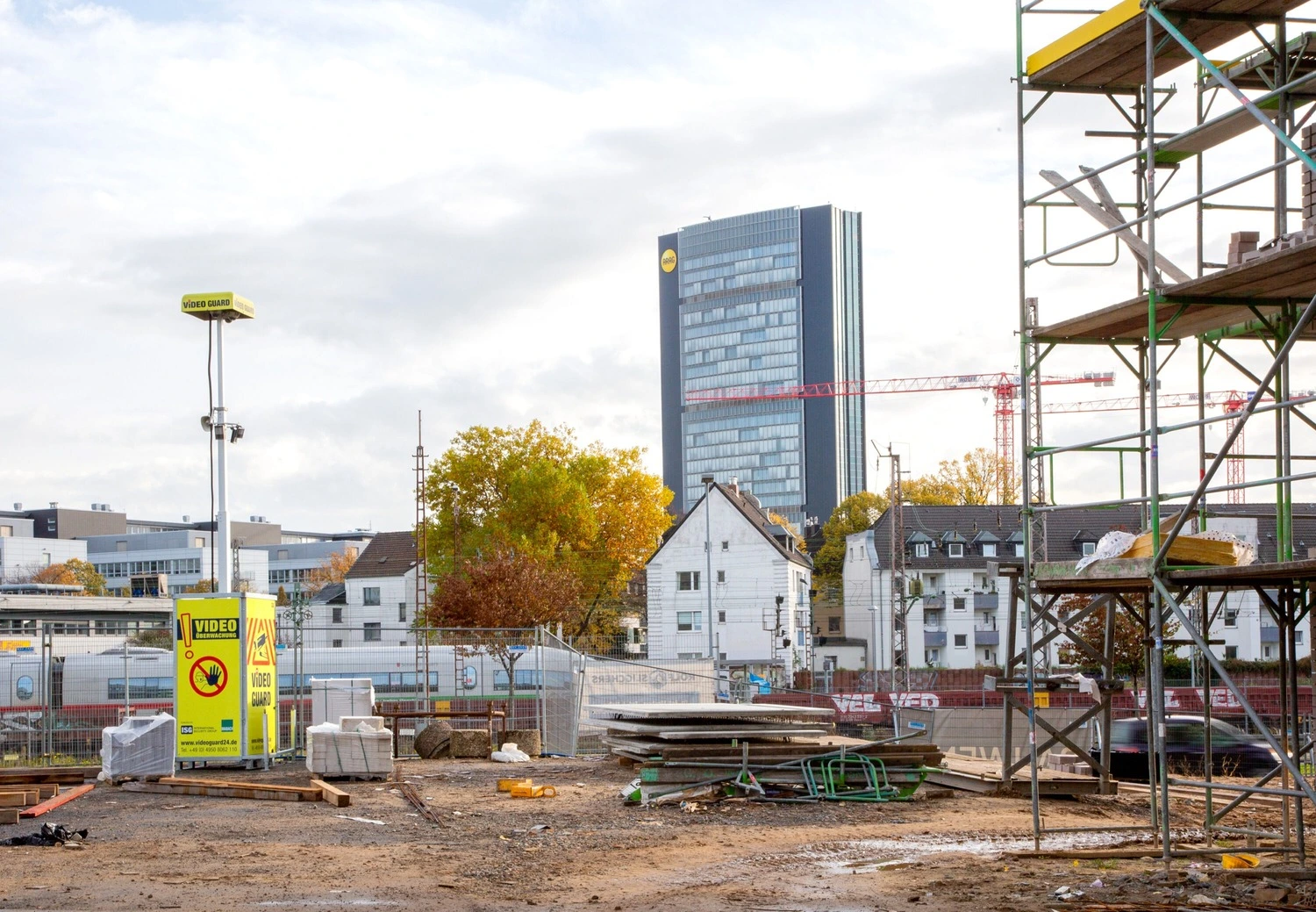
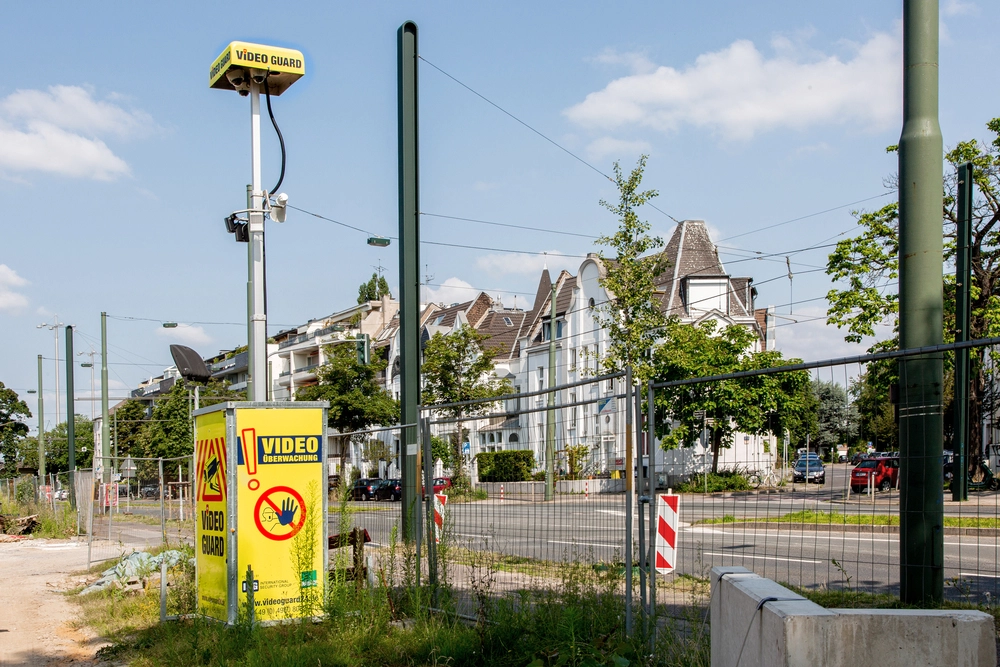
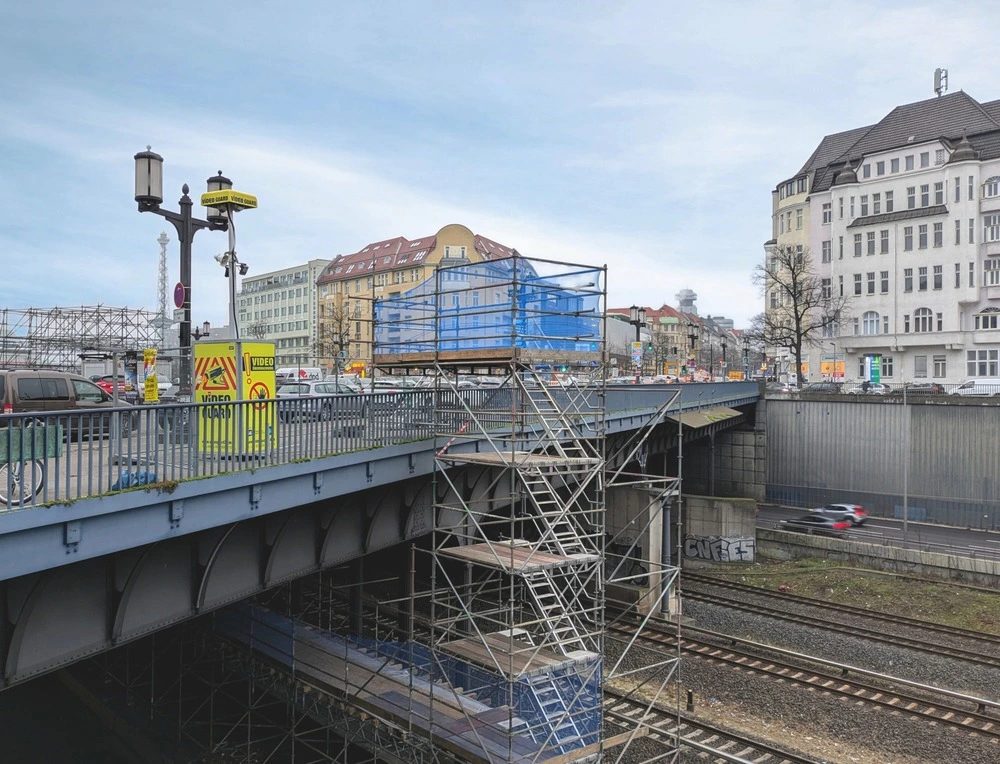
Why Video Surveillance Is Becoming Increasingly Important in Public Spaces
Many municipalities, businesses, and security services face the same challenges today: rising incidents of vandalism, theft, unauthorized access, and sabotage. The trend is clearly negative—damage is occurring more frequently, it is becoming more costly, and it is no longer limited to remote areas.
Places such as open parking lots, temporary storage areas for equipment or materials, and access roads to properties may seem unremarkable at first glance. However, they pose accident and liability risks, serve as a gathering place for criminals—or become a threat to public safety at night.
Damaged vehicles or machinery, broken-into equipment containers, stolen tools, destroyed infrastructure, and tampered-with access points are already part of everyday life in many places. In addition to property damage, there are also business interruptions, delays in construction projects, additional security costs, and stricter insurance requirements.
Traditional security measures—such as patrols—are reaching their limits in terms of both personnel and cost. Especially at night or on weekends, large areas can only be inspected on a selective basis. For many operators, this increases the pressure to find a solution that provides reliable protection without having to tie up staff on a permanent basis.
This is exactly where video surveillance comes into its own: It provides visibility in security-critical areas, responds specifically to relevant events, and helps those in charge identify threats early and effectively prevent damage. However, the use of video cameras is subject to strict rules—even if it is understandably intended to prevent danger.
Video Surveillance in Public Places: Legal Framework
Video surveillance in public spaces is subject to particularly strict laws in Germany. The legal basis stems primarily from the General Data Protection Regulation (GDPR), the Federal Data Protection Act (Section 4 BDSG), and supplementary state data protection laws. The key question here is always whether surveillance is actually necessary—and whether it respects the rights of the individuals concerned.
The use of surveillance cameras is lawful only if all four of the following conditions are met simultaneously:
1. Legitimate Interest
There must be a clear, documented purpose, such as preventing danger, protecting against criminal offenses, or securing facilities.
3. Proportionality
2. Necessity
4. Duty of Transparency
Prohibited: Continuous and comprehensive surveillance
Any form of continuous or widespread surveillance of public areas is prohibited. Public squares, streets, or crowds of passersby may not be monitored—not even as a precautionary measure. Clearly defined areas with a verifiable risk, on the other hand, may be monitored by video surveillance.
These include, for example, access roads, material storage areas, and construction site staging areas. In such cases, however, additional protective measures apply: Public areas must be technically blurred or pixelated. Recording is permitted only in the event of a specific incident, but not around the clock.
Important: Retention Periods and Data Deletion Policies
“The rules are clear when it comes to storage as well.” Video and audio recordings may be stored only for as long as necessary to fulfill their intended purpose. A data erasure policy is therefore just as essential as technology that respects data privacy. Modern systems already support these requirements through “privacy by design” principles—for example, through masking functions, clear event logic, and secure data transmission.
Consequences of Noncompliance: Legal and Financial Consequences
Anyone who uses video surveillance in public spaces without complying with the law risks significant legal and financial consequences. The General Data Protection Regulation imposes fines for violations that can quickly reach the six- or even seven-figure range. In addition , affected individuals may file complaints, seek injunctions, and claim damages.
This often leads to intangible consequences as well. If unlawful surveillance becomes public knowledge, it can cause lasting damage to the perception of the company among citizens, customers, and employees. In addition to reputational damage, one must also expect increased scrutiny from regulatory authorities and the relevant data protection authority.
If regulatory authorities become aware of this, there is also a risk of regulatory requirements being imposed. If data protection violations are not rectified, the measures range from mandatory corrective actions to temporary suspensions of operations.
” From an insurance law perspective, too, faulty or inadequately documented video surveillance can become a problem.” If, for example, there is no documentation proving that the video equipment in use is being used for its intended purpose, this can make it more difficult to settle claims or, in the worst case, prevent them entirely.
It is clear that compliance with the law regarding video surveillance in public spaces is not just a “nice-to-have,” but a fundamental requirement—for security, trust, and smooth operations. As long as it is used in a targeted and responsible manner and within the legal framework, video surveillance can be a crucial component of security.
Conclusion: Monitor Public Spaces in a Legally Sound and Responsible Manner
Video surveillance in public spaces is permissible—but only where it is clearly justified, properly implemented, and aimed at a specific purpose. Every camera constitutes an intrusion on the self-determination of the individuals concerned and must therefore be weighed against their respective interests.
Data controllers—whether municipalities, companies, or public institutions—are required to balance security, data protection, and legal certainty.
Modern mobile solutions provide an effective framework for this: They specifically secure properties, transit areas, and sensitive zones without collecting unnecessary data. Through precise placement, transparent processes, and documented procedures, they enable monitoring that meets both legal requirements and the expectations of citizens.
Those who follow the rules can create a security strategy that protects assets while processing data only where it is truly necessary. Thus, video surveillance remains a responsible tool that reduces risks without losing sight of the rights of those affected.