Illegal waste disposal costs German municipalities millions every year and is a burden on the environment, residents and municipal budgets alike. Conventional measures such as fines, checks or awareness campaigns are often not enough to curb the problem in the long term.
Mobile video surveillance systems at known hotspots have a double effect: they deter potential offenders through their visible presence and at the same time secure reliable evidence for misdemeanor proceedings. GDPR compliance is crucial for legally compliant use – especially technologies such as automatic pixelation, short storage periods and transparent signage.
Wildlife waste in municipalities: a problem that won’t solve itself
Bulky waste at the edge of the forest, building rubble on the highway, electronic waste next to glass containers – illegal waste disposal is a chronic and growing problem for German municipalities. The polluters often act at night and in remote locations. The result: local authorities are left with the disposal costs, residents complain and the affected areas become garbage magnets.
In Leipzig, the removal of illegal waste cost more than half a million euros in 2024. In Dresden, clearance costs rose from 135,000 to almost 450,000 euros within a decade. Nationwide, the ZDF magazine Frontal identified at least 330 illegal garbage dumps, the removal of which is estimated to cost at least 1.2 billion euros.
Why conventional measures often fail
Many municipalities have already exhausted a wide range of measures: fines, inspections by public order offices, awareness campaigns, extended opening hours at recycling centers, waste reporting apps or volunteer waste sponsorships.

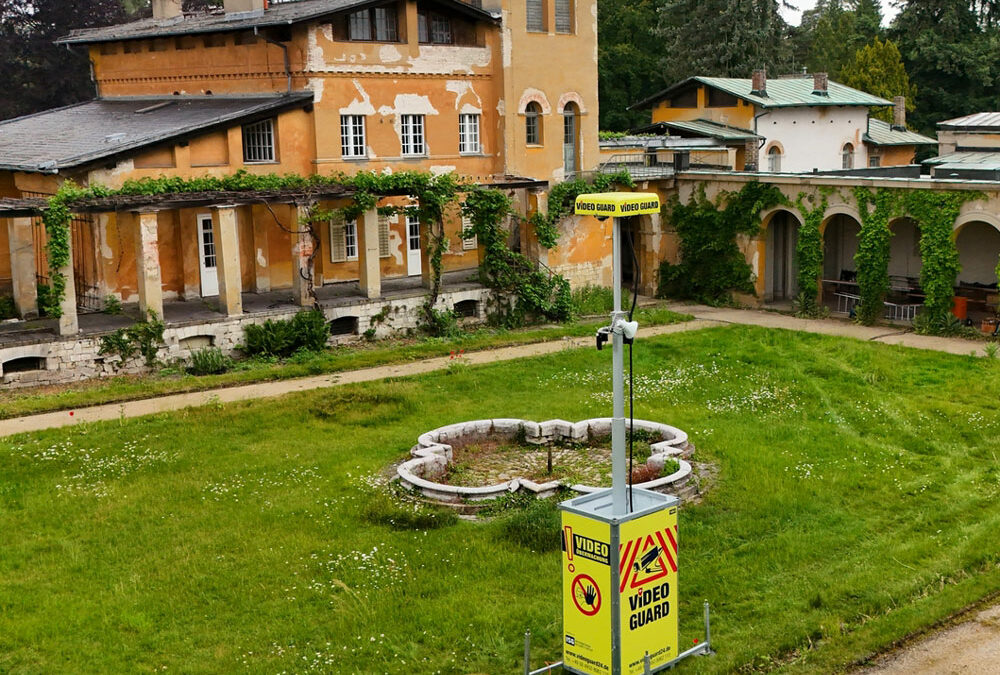
Image is AI generated
Fines have also been significantly increased in many places – in Berlin, a discarded cigarette butt alone now costs 250 euros, while the illegal disposal of building rubble can be punished with up to 25,000 euros. However, experience shows that these instruments alone are rarely sufficient.
The core problem lies in the lack of evidence. Only in a fraction of cases can the perpetrators actually be identified. Without evidence of illegal waste disposal, fines are ineffective because they simply cannot be served.
This is also shown by the example in Offenbach, where three employees of the public order office investigated over 1,000 cases in a single year and imposed fines totaling more than 70,000 euros. In addition, almost 16,000 reports were received from citizens via a reporting app. The effort involved is therefore enormous – and yet the problem remains because identifying the perpetrators often fails without image material.
The city of Ludwigshafen also summed up this dilemma: despite the provision of advice, multilingual campaigns, a dedicated waste enforcement service and increased controls, the numbers of illegal dumping remain far too high.
Added to this is the so-called broken window effect: littered areas literally attract further deposits.
Mobile video surveillance as a solution: deterrence and preservation of evidence
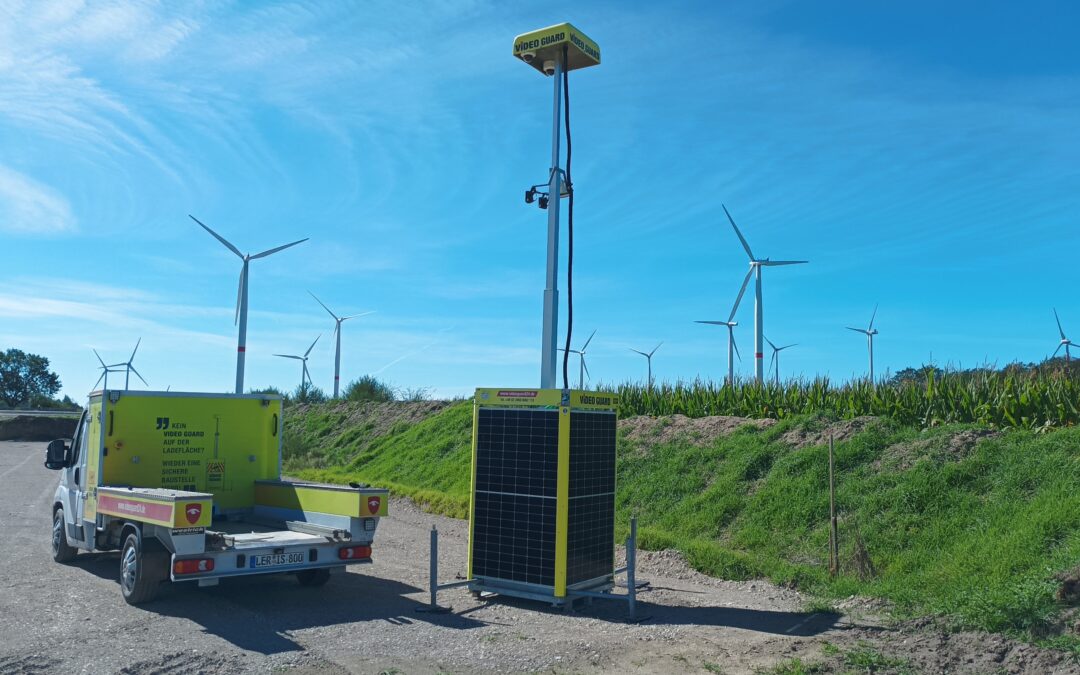
This is exactly where mobile video surveillance comes in. Visibly positioned camera systems at documented hotspots have a double effect: clearly visible camera towers and signs deter potential offenders. And if an incident does occur, the recordings provide reliable evidence of the illegal waste disposal – from the identification of the perpetrator to vehicle license plates and the exact time of the crime.
The mobile surveillance solutions from VIDEO GUARD are designed for precisely this type of application scenario: they can be set up quickly and without structural interventions at different locations, operate autonomously and deliver high-resolution recordings even in the dark. AI-supported motion detection reliably distinguishes between people, vehicles and animals – this minimizes false alarms and relieves the burden on the responsible employees.
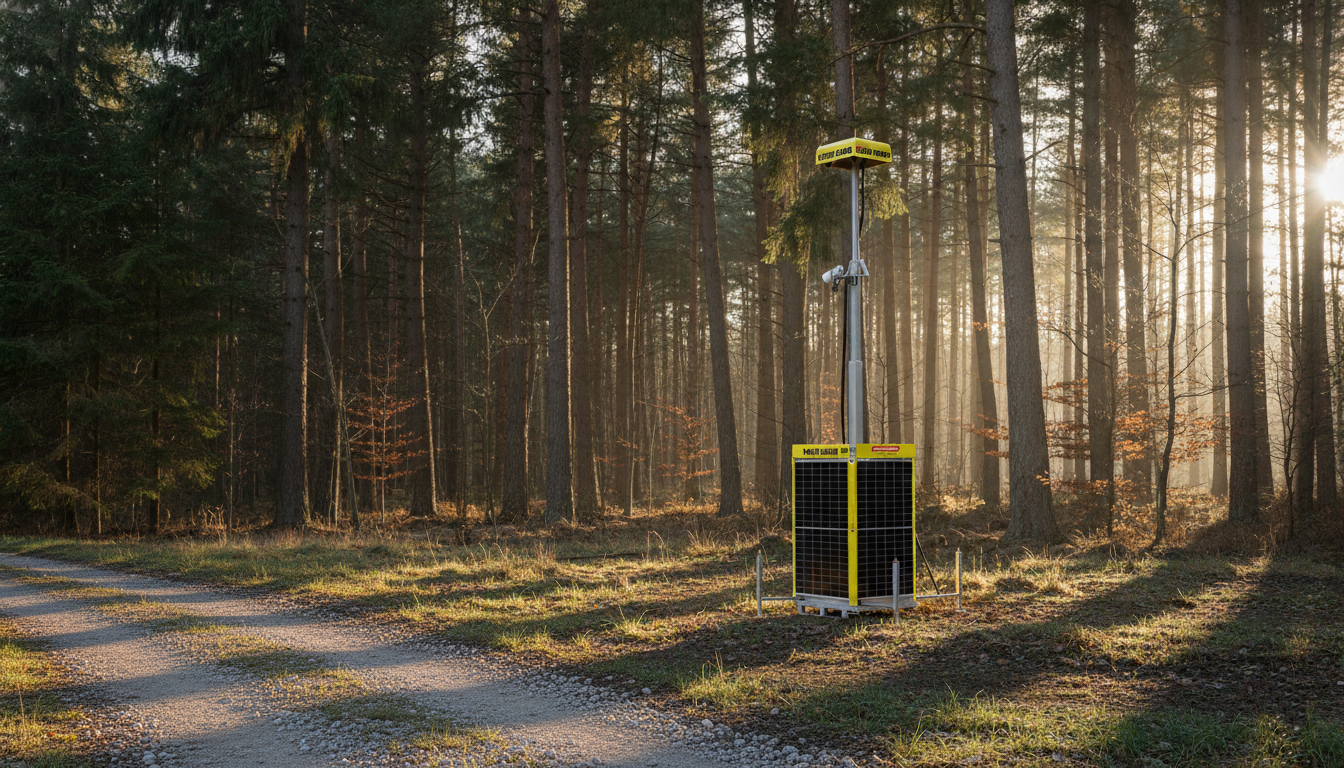
Image is AI generated
More and more cities and municipalities are testing the use of video surveillance against illegal waste disposal – with different approaches, but a common goal: to secure evidence and deter.
Ludwigshafen: The reference project for GDPR-compliant implementation
The pilot project of the city of Ludwigshafen shows how data protection-compliant implementation can succeed. In August 2024, the city launched a program for mobile video surveillance at waste hotspots in close coordination with the State Commissioner for Data Protection.
The concept provides for monitoring to take place exclusively at documented hotspots where milder means have demonstrably failed. Recordings are always stored in pixelated form – de-pixelation is only permitted in cases of concrete suspicion and in accordance with the dual control principle. Sensitive areas such as playgrounds or house entrances are excluded and the storage period is limited to a maximum of 30 days. Monitoring is visibly indicated at the location.
The data protection officer described the project’s data protection requirements as “exemplarily fulfilled”.
Garbsen: Loudspeaker address with immediate effect
In Garbsen near Hanover, they went one step further: two cameras with integrated loudspeakers were installed at a particularly affected recycling island. City employees were able to address litter offenders directly via the loudspeakers – with the result that illegal dumping at this location decreased significantly.
VIDEO GUARD also uses precisely this principle of real-time intervention: Suspicious persons are addressed live via the company’s own control center and asked to leave the premises.
Heilbronn and Barnim: Further approaches
Heilbronn also uses video surveillance at used glass and clothing containers to document littering. In the district of Barnim in Brandenburg, a private security company was hired as a “litter patrol”, which was able to impose 42 fines last year alone.
The message is clear: mobile video surveillance against illegal waste disposal is being actively implemented by more and more local authorities.
The legal framework and what municipalities need to consider
GDPR-compliant video surveillance of public spaces is a sensitive topic. Municipalities must prove that milder means have already been exhausted (proportionality) and check the legal basis in the respective state data protection law. Surveillance must be open, limited to the defined area and secured by technical protective measures such as automatic pixelation, narrow camera alignment and short storage periods. A documented data protection impact assessment is also required before use.
New legal leeway in Baden-Württemberg
In February 2026, the state parliament in Baden-Württemberg reformed the state data protection law, making it easier for local authorities to use video surveillance at recycling centers and places where waste is disposed of illegally (LfDI Baden-Württemberg). Longer storage periods and AI-supported evaluation are now also planned. It is likely that other federal states will follow suit with similar adjustments.

Image is AI generated
What an effective solution must do
Not every camera system is suitable for municipal use. Mobility (hotspots are shifting), self-sufficient power supply for remote locations without a mains connection, reliable night vision via infrared and AI-supported analysis that minimizes false alarms caused by animals or weather influences are crucial. Solar-powered systems such as the VIDEO GUARD Solar also meet these requirements on forest edges or field paths.
GDPR compliance is at least as important: automatic pixelation, German server locations and processing by certified personnel are not optional, but mandatory. VIDEO GUARD operates its own 24/7 control center in Germany.
Costs and benefits: Is the investment worthwhile?
Cost accounting is generally clear for local authorities. The manageable rental costs for mobile video surveillance are offset by direct savings in waste disposal, fines that can be enforced for the first time thanks to reliable evidence, the reduction in the workload of building yard personnel, cleaner areas and fewer complaints from citizens.
VIDEO GUARD offers flexible rental models that are specially tailored to temporary use – ideal for local authorities that want to start a pilot project. A non-binding consultation clarifies in advance which system is best suited to the respective situation.
Frequently asked questions about video surveillance against illegal waste disposal
Is video surveillance at municipal waste collection points GDPR-compliant?
What evidence does mobile video surveillance provide in cases of illegal waste disposal?
The systems record the date, time, vehicle registration number and - after data protection-compliant de-pixelation - the persons involved. This data can be used as evidence in misdemeanor proceedings.