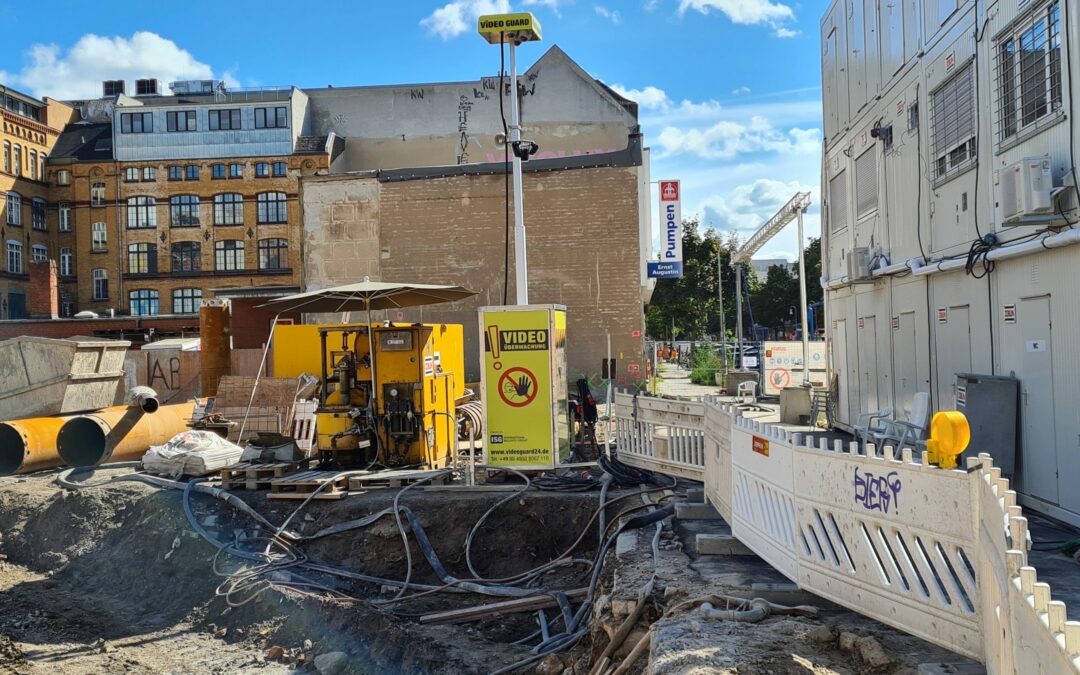
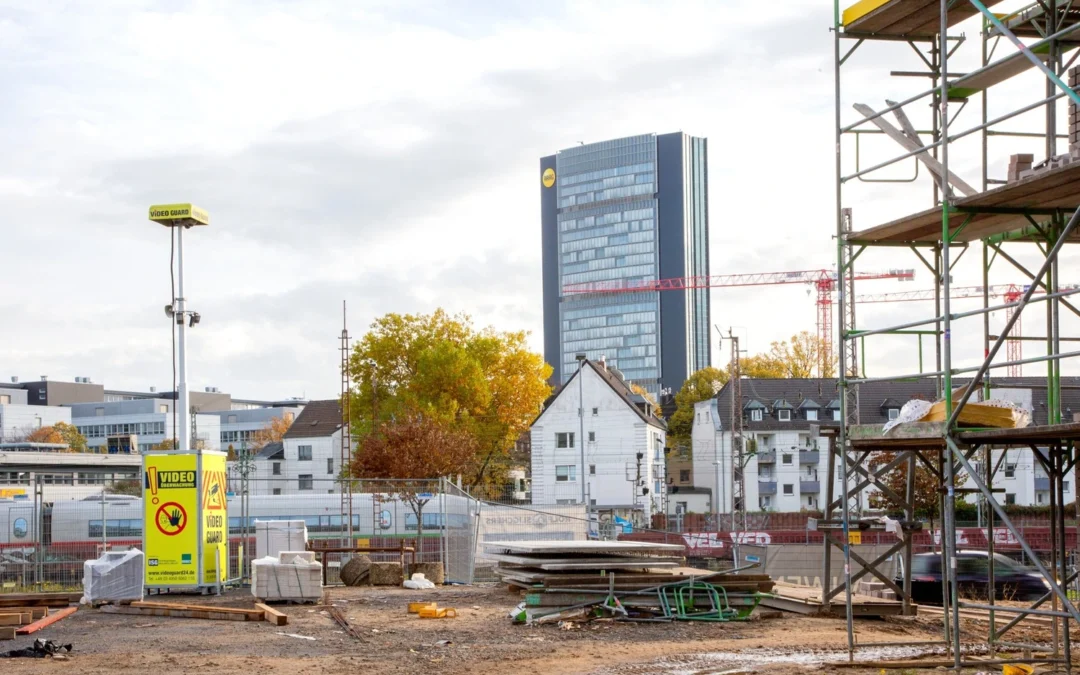
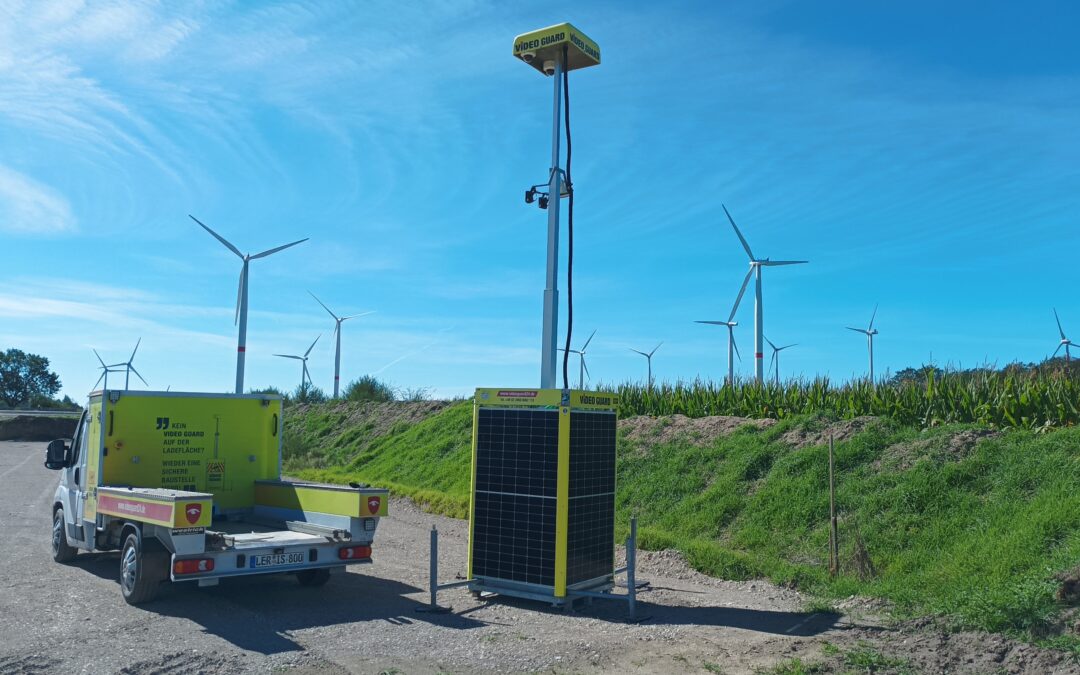
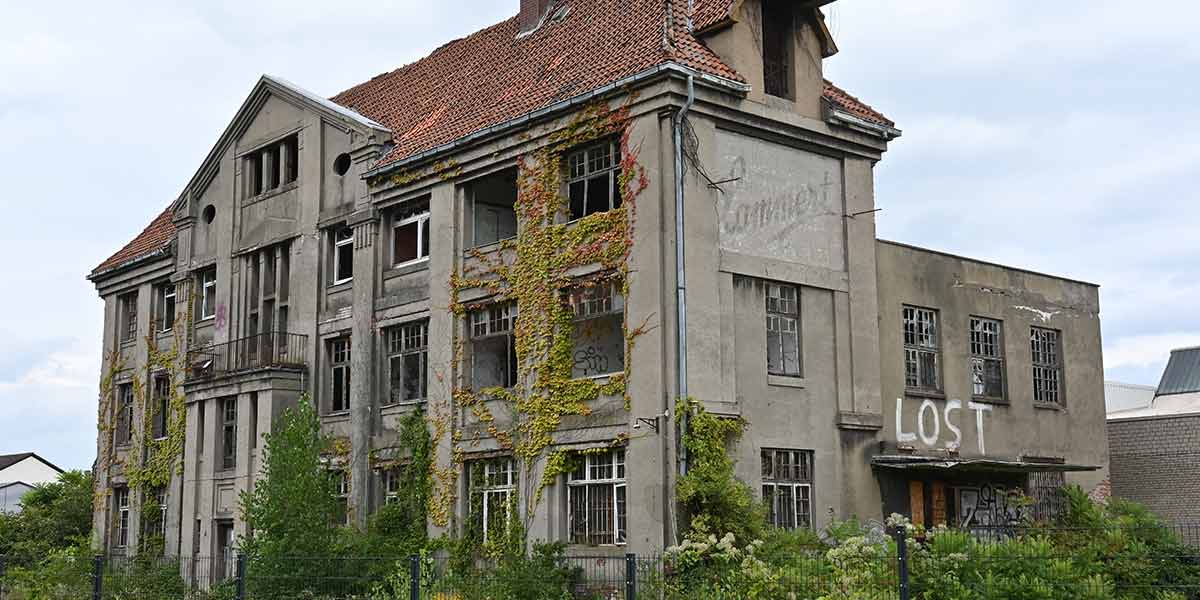
Vacancy is not a marginal issue at the moment. In the seven largest German office markets alone, approximately 8.3 million square meters of office space was available on short notice—the average vacancy rate stood at 8.3 percent. In addition, there are properties that do not appear in these statistics at all: residential buildings vacated prior to renovation, existing commercial properties in the process of being acquired, warehouses undergoing a change of use, and properties involved in inheritance proceedings.
For property management companies, asset managers, and project developers, this marks the beginning of a period that is already financially challenging—with no rental income, ongoing operating costs, and a significant increase in the risk of damage. It is precisely this combination that makes property protection during vacancies a matter of cost calculation: How much does coverage cost per month, and how much would a single incident cost if it occurred without it?
The Four Typical Types of Damage Found in Vacant Properties

1. Burglary and Metal Theft
3. Illegal Use
2. Arson
The Federal Criminal Police Office’s (BKA) 2025 Police Crime Statistics for Germany report approximately 20,500 cases of arson. Vacant buildings are a common target—sometimes intentionally, sometimes as a result of open flames, makeshift lighting, or tampered electrical wiring by unauthorized individuals inside the building. A fire is the type of loss that can turn a temporary vacancy into a total loss.
4. Undetected Consequential Damages
Insurance: Vacancy is an aggravating circumstance
For portfolio holders, this is the aspect that tends to be underestimated. Vacancy is not a neutral state; rather, it alters the insured risk. Under Section 23 of the Insurance Contract Act (VVG), the policyholder may not increase the risk or permit such an increase after the contract has been concluded and must report any such increase immediately if it occurs.
In practice, this means:
- Duty to Disclose: The insurer must be notified of any vacancy. Many contracts include vacancy periods—typically two to three months—during which coverage continues under the agreed-upon terms.
- Responsibilities: These typically include regular inspections of the interior of the building, shutting off and draining water-carrying pipes, and maintaining a minimum level of heating during the frost season. According to case law, a mere visual inspection from the outside is not sufficient.
- Consequences of a violation: reduction in benefits; in extreme cases, denial of benefits or termination of the contract. And it is difficult to find a replacement on the market for a vacated, vacant property.
- Requirements: Insurers are increasingly requiring proof of active security measures—access control, surveillance, and documentation—to cover vacancy risks.
This is an often-overlooked side effect of technical surveillance. It provides exactly the kind of comprehensive documentation that, in the event of a claim, makes the difference between a smooth settlement and a dispute.
Duty to Ensure Public Safety: Liability Remains with the Owner
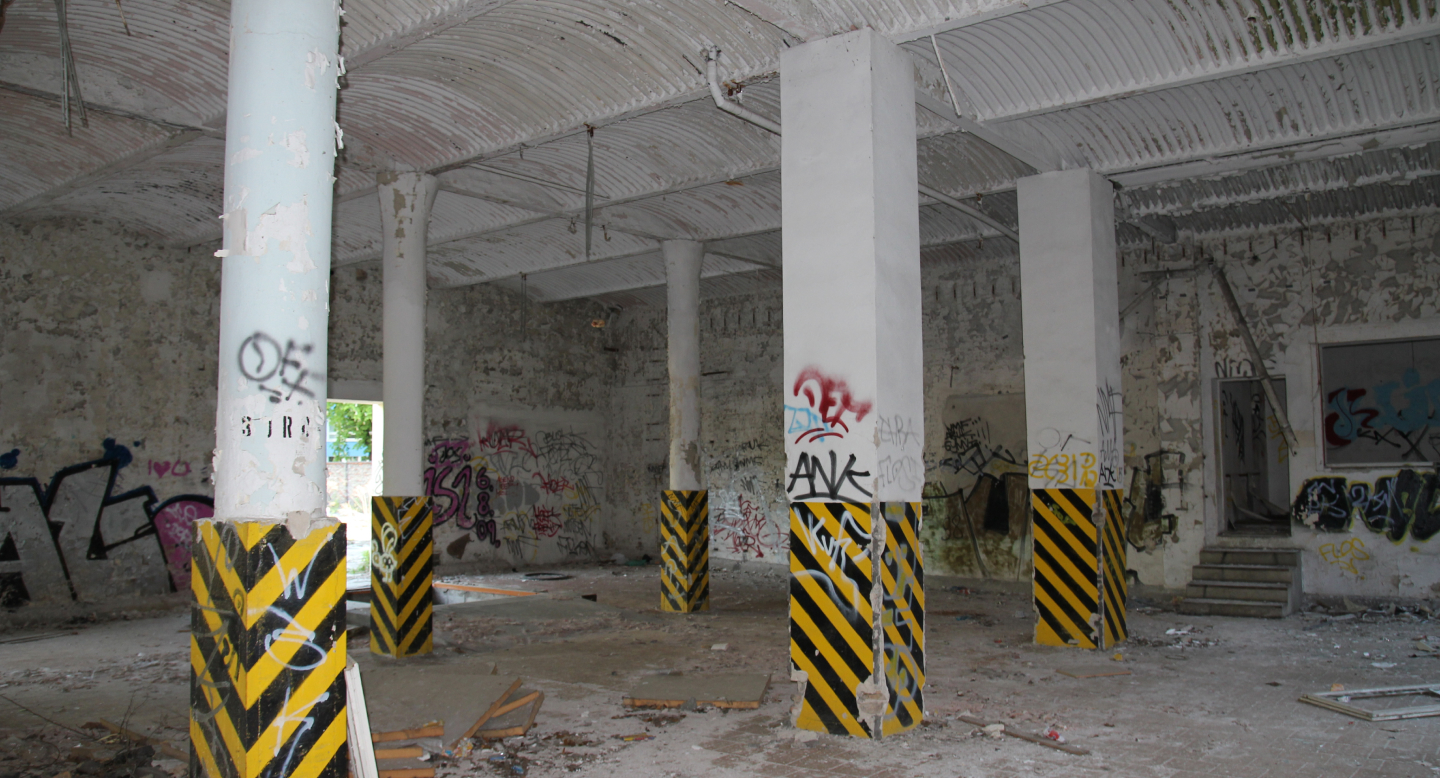
Even someone who enters a building without authorization may give rise to claims. The owner must take appropriate measures to ensure that unauthorized persons do not gain access—especially in the case of dilapidated structures, open shafts, or unstable areas. If someone is injured on the premises, the question of whether safety measures were adequate quickly arises. A construction fence and a “No Trespassing” sign are an inadequate response if there is documented evidence that unauthorized persons have repeatedly entered the premises.
Early detection is key, not record-keeping
The most important rule for property protection when a property is vacant is: Recording is not the same as protecting.
A camera whose footage is viewed only after the damage has occurred documents a loss. It does not prevent it. In the case of illegal use, the difference is particularly stark. As long as no one has set up camp, the police consider the situation a disturbance of public safety that must be resolved promptly. If, on the other hand, the property is already occupied, the situation becomes difficult: The Federal Court of Justice has made it clear that an eviction order requires the reliable identification of the debtor—which poses a significant obstacle when the individuals involved are unknown.
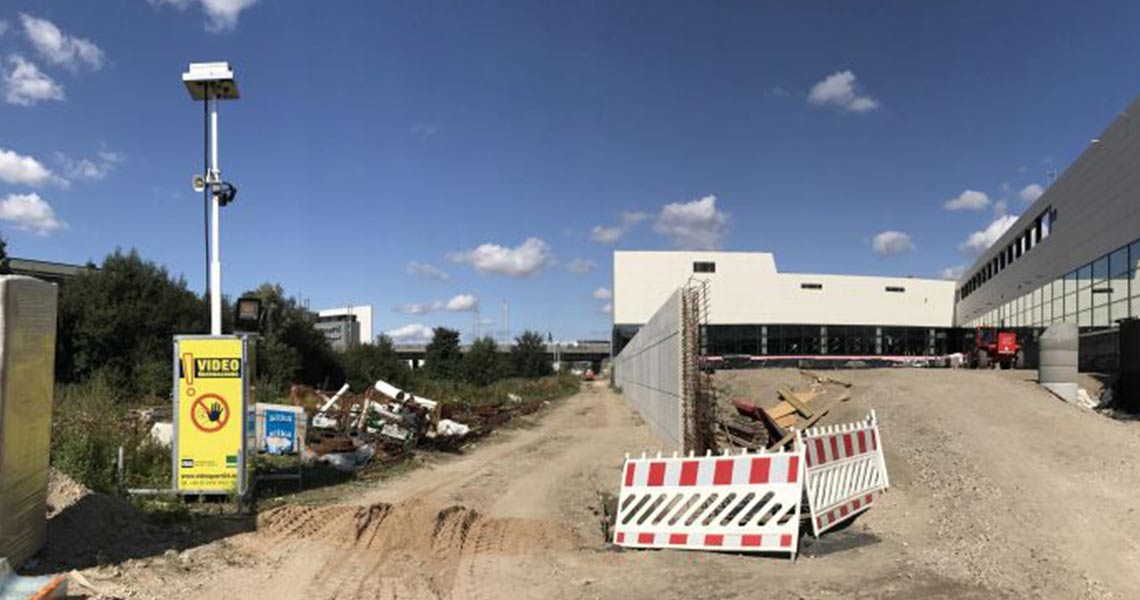
In practical terms, this means that the effectiveness of your solution is determined in the first few minutes. Here’s how it works at VIDEO GUARD:
- AI-powered on-site detection: Analysis is performed via edge computing directly on the system and distinguishes between people, vehicles, and animals—which keeps the false alarm rate low.
- Alerting our own 24/7 control center in Germany: A trained employee reviews the live video feed before any response is initiated.
- Direct Address: People are addressed directly through active speakers and asked to leave the premises. In a great many cases, the incident ends right here.
- Escalation and Documentation: If the attempt to speak with the person is unsuccessful, the police or security personnel will be alerted. Every transaction is logged—and can be used as evidence for insurers and government agencies.
This principle of active risk mitigation is the reason why an incident generally does not result in damage.
Conclusion: The vacancy period can be planned for, and so can the risk
Vacancies are rarely a surprise. They usually know months in advance when a property will become available and how long the transition period is likely to last. That is exactly why it is possible to plan property security effectively when a property is vacant. The level of coverage and the term are adjusted to reflect the actual duration of vacancy, rather than either overpaying or leaving the property uninsured.
The most costly mistake is looking back—when copper is missing, a fire has been set, or someone has moved in. Those who, instead, recognize the situation early and take immediate action ensure that the vacancy period remains exactly what it’s meant to be: a transitional period.